This post was originally published on this site.
Hangover IV in Scottsdale: What a Drip Really Does the Morning After
This post was originally published on this site. Ask anyone [...]

This post was originally published on this site.
Ask anyone who has booked a hangover IV after a wedding weekend or a bachelor party in Old Town, and you’ll usually hear the same review: “I felt better by lunch.” That experience is real, and it deserves to be taken seriously. It also deserves a closer look. A hangover IV can help in specific situations, but the reason it works for some people isn’t always the reason printed on the menu. Knowing the difference helps you decide when a drip is worth your time and money.
Why a hangover hits so hard
Your liver breaks alcohol down into acetaldehyde, a short-lived toxic compound, and then clears it. Meanwhile, alcohol suppresses vasopressin, the hormone that tells your kidneys to hang on to water, so you lose more fluid than you drink. According to the National Institute on Alcohol Abuse and Alcoholism, that mild dehydration is only one contributor. Broken sleep, an irritated stomach lining, body-wide inflammation, and a rebound “mini-withdrawal” that leaves you edgy all pile on.
Dehydration gets most of the attention. The science gives it a smaller role. A review of hangover biology found that dehydration markers, vasopressin among them, weren’t significantly related to how severe a hangover felt. Neither were electrolytes or blood sugar. The strongest link the researchers found was with the immune system, which is why a bad morning can feel so much like the start of a cold.
Fluid still matters. It’s simply one piece of a bigger puzzle. If a day in the sun was part of the night, our post on IV therapy for dehydration explains how heat changes the math.
Where a hangover IV helps, and where it doesn’t
Let’s start with the limits. The NIAAA says none of the popular hangover remedies have been scientifically proven, and that time is the only sure fix. It also notes that research hasn’t connected the degree of electrolyte loss to hangover severity, or shown that adding electrolytes makes a hangover milder. A drip won’t speed up how fast your liver clears alcohol, either.
So what explains the people who walk out feeling better? Usually a mix of things:
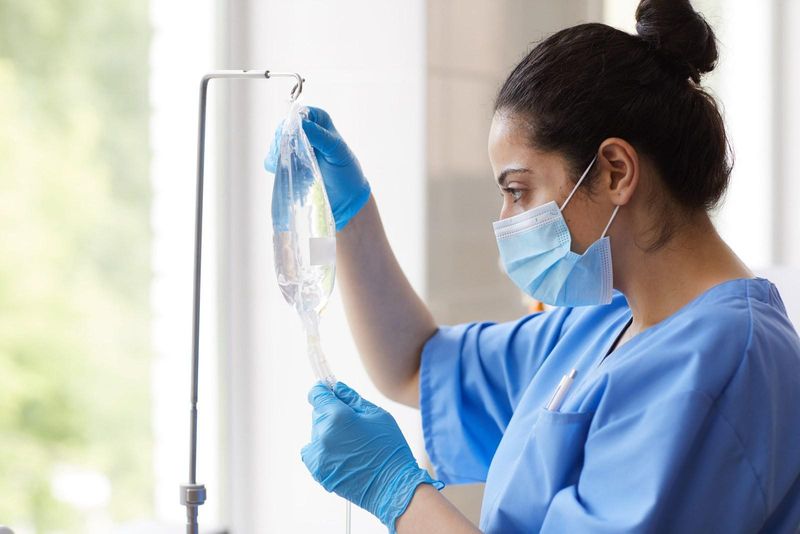
- Fluid you couldn’t keep down. After vomiting, sipping water may not stay put. An IV skips the stomach entirely.
- An hour of real rest. A quiet chair, a blanket, and nothing to do is restorative on its own.
- Supportive nutrients. Many formulas include B vitamins and magnesium. Evidence that they shorten a hangover is limited, so treat them as support, not a cure.
- Natural timing. Symptoms peak as blood alcohol returns to about zero and can linger up to 24 hours. Anything you do in that window shares credit with the clock.
Our IV vitamin drips are tailored to the person in the chair, so your clinician will match the formula to how you’re feeling instead of handing you a fixed “hangover bag.”
Is a hangover IV right for you?
A drip may be a sensible option if you:
- Have been vomiting and can’t keep fluids down
- Are worn out from drinking on top of a long, hot day on the course or at the pool
- Would rather rest under a nurse’s eye than spend the day guessing
- Have a clinician who has reviewed your health history and medications
Talk with a clinician first if you have heart disease, kidney disease, or high blood pressure, or if you’re pregnant. A sudden load of fluid isn’t safe for everyone. And a drip should never be a reason to keep drinking. It doesn’t protect your liver or your judgment.
One more line that matters: confusion, seizures, slow or irregular breathing, or trouble staying awake can signal alcohol poisoning. That’s a 911 call, not an IV appointment.
A smarter plan for the morning after
Drip or no drip, these steps do most of the heavy lifting:
- Rehydrate steadily. Sip water or an electrolyte drink through the morning instead of forcing down a huge amount at once.
- Eat something simple. Toast, crackers, or broth can settle your stomach and steady your blood sugar.
- Choose pain relief carefully. Cleveland Clinic advises avoiding acetaminophen after drinking because the combination can harm your liver. Use ibuprofen or naproxen sparingly, since they can irritate the stomach.
- Go back to bed. Alcohol breaks up deep sleep, so recovery sleep pays off.
- Hold off on driving. A hangover slows reaction time and coordination even when you feel alert.
Next time, the best fix happens the night before. Eat a real meal before drinking, alternate each drink with water, and lean toward clear spirits, since darker ones contain more congeners that can worsen symptoms. The NIAAA puts the bottom line simply: more alcohol means a worse hangover, whatever the order. If rough mornings are becoming a pattern, that’s worth a conversation with your clinician, not just another drip.
Frequently Asked Questions
Q: Do hangover IVs actually work?
A: They can help some people feel better, especially when vomiting or heat has left them short on fluid. But the research doesn’t show that a drip cures a hangover, and the NIAAA says time is the only proven remedy. Think of it as support while your body recovers.
Q: Does Liquid IV help with hangovers?
A: Liquid I.V. is an oral electrolyte mix you stir into water, so it’s a convenient way to rehydrate when you can keep fluids down. Research hasn’t shown that extra electrolytes make a hangover less severe. It’s useful hydration, not a hangover cure.
Q: Is it safe to get an IV the morning after drinking?
A: For most healthy adults, an IV given by licensed clinicians in a clean, supervised setting is low risk, though bruising or infection at the needle site can happen. It isn’t right for people with certain heart or kidney conditions. Always tell your nurse what you drank and any medications you’ve taken.
Feel better with a plan that fits you
You don’t have to guess your way through a rough morning. At OneSource Vitality in North Scottsdale, our team will ask how you’re feeling, what you drank, and what’s in your health history, then tell you plainly whether a hangover IV makes sense or whether rest and fluids at home are the better choice. If you’d like regular support for energy, hydration, and recovery, our memberships make ongoing visits easier to plan. Your body is telling you what it needs. Let’s listen together. Schedule your visit today.